Cheshire Gut Clinic
Cheshire’s Largest Private Gastroenterology Network
Welcoming patients from across Cheshire, Wales, Manchester, Liverpool and Shropshire

Patient Focused Service
Established in 2010 its priority has always been patient care. Treating patients as individuals in a caring and supportive way. A patient-focused service places the needs, preferences, and overall well-being of the patient at the centre of healthcare delivery. This multi-disciplinary approach ensures that care is tailored to each individual, promoting a positive and supportive experience.

Highly Experienced Consultants
The Cheshire Gut Clinic is led by Dr Kevin Yoong who is a highly experienced consultant. He is the Clinical Director for Bowel Cancer Screening for Cheshire. The Clinic is complemented by other consultants who have have interest in inflammatory bowel diseases, gallbladder diseases, pancreatic diseases and nutrition. They perform private gastroscopy and colonoscopy for patients in Cheshire, Shropshire, Wales, Liverpool and Manchester. Gallbladder and hernia surgery are also carried out.

Leading Private Hospitals
Its primary locations are based within highly regarded private hospitals across Cheshire, Shropshire and Wales. In response to growing demand for its high-quality services, it is expanding its presence with additional clinics at prestigious private hospitals in Manchester and Liverpool. This expansion will enable greater access to high-quality specialist gastroenterology care for patients across the region.
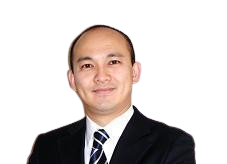
Dr. Kevin Yoong
Consultant Gastroenterologist
Clinical Director of the Bowel Cancer Screening Programme (Cheshire)
Dr Kevin Yoong, Consultant Gastroenterologist trained in medicine and graduated in 1993 at the University of Glasgow. His gastroenterology and liver training was at London and Liverpool. He undertook some work with the NHS Modernisation Agency and Changing Workforce Programme.
He became a lecturer at St George’s Hospital Medical School where he did research at St George’s Hospital Medical School and has published papers on endoscopy and health services improvement. After working in London for more than 5 years, he took up a consultant appointment in Cheshire as he enjoyed the outdoor and country pursuits. He will therefore give you the experience of a London trained doctor in Cheshire.
For further information go to his website on Kevin Yoong or www.kevinyoong.co.uk
Click the link below to book a clinic consultation:
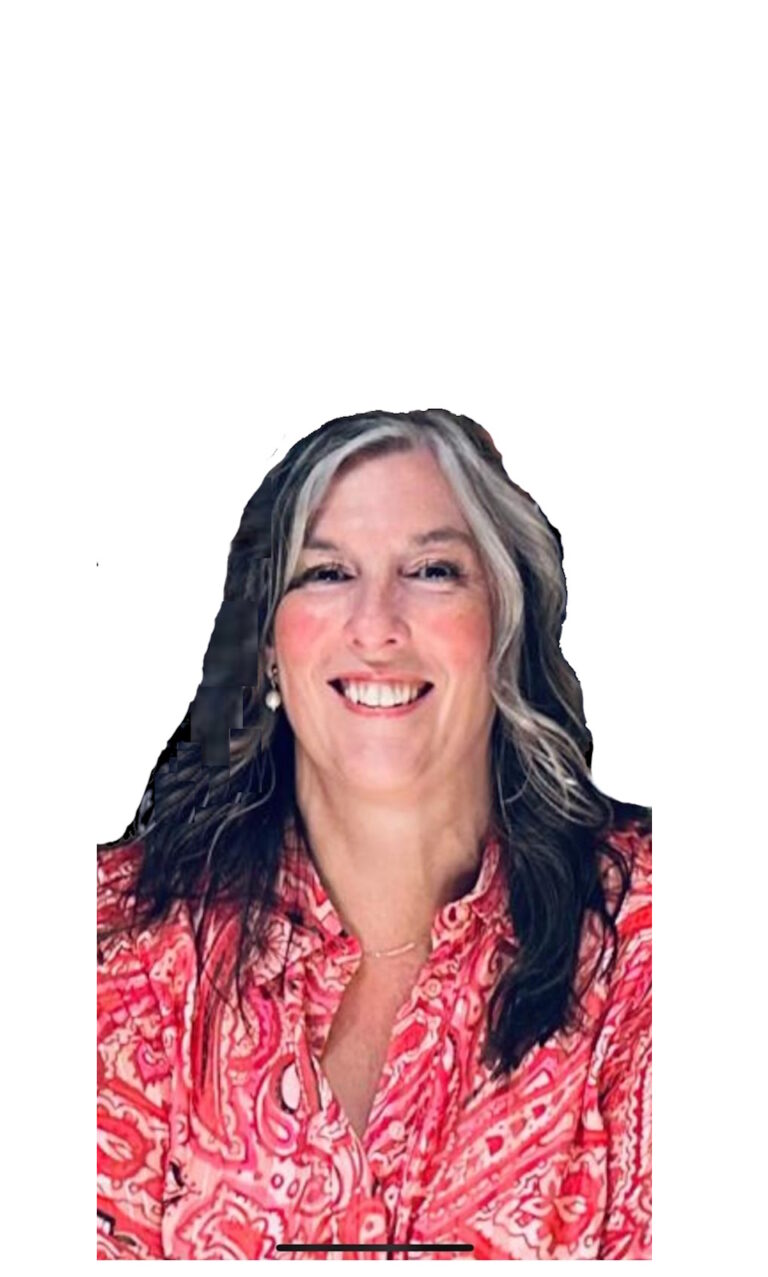
Dr. Gill Townson
Consultant Gastroenterologist
Dr Townson graduated from University of Leicester in 1990 and continued her training at Leicester General Hospital where she completed an MD thesis on Inflammatory Bowel Disease. She continued her training as a registrar in Wessex (Swindon, Winchester & Portsmouth) before returning to Leicester as a senior Registrar.
She completed a fellowship at McMaster in Toronto, Canada before taking up a substantive consultant post in Shrewsbury and Telford NHS Trust.
For further information go to her website on Gill Townson
Click the link below to book a clinic consultation:

Dr. Muthu Rajaram
Consultant Gastroenterologist
Dr Muthu Rajaram qualified in 1999 and after gaining further experience in the Midlands and Devonshire, he was appointed as a Consultant Gastroenterologist in 2020. He has an interest in therapeutic endoscopy. He did his gastroenterology training in the Midlands and Southwest and undertook an advanced endoscopy fellowship in Nottingham. He was appointed as a nationally accredited NHS bowel cancer screening colonoscopist in 2022.
For further information go to his website on Muthu Rajaram
Click the link below to book a clinic consultation:
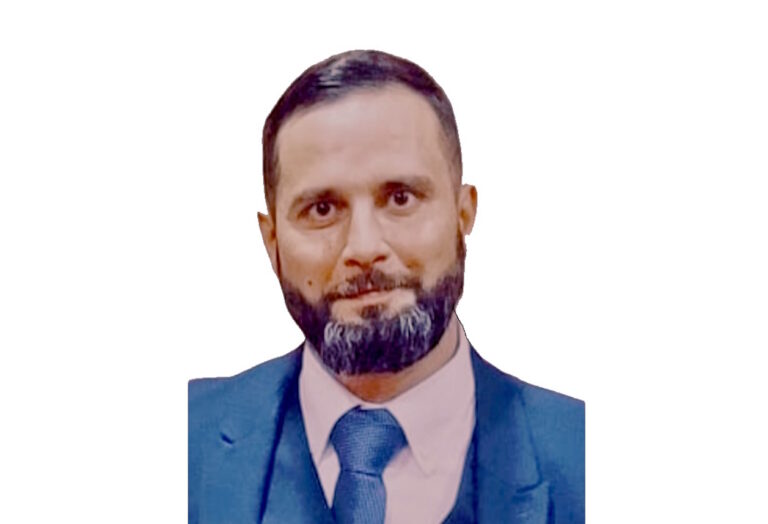
Mr. Giuseppe De Santis
Consultant General and Laparoscopic Surgeon
Mr De Santis is a General Surgeon and Clinical Lead for General Surgery at Mid-Cheshire Hospitals. He does most of his surgery laparoscopically (keyhole). This ensures a smaller scar and faster recovery.
He has an interest in laparoscopic and other ‘minimally invasive’ surgical treatments including gallbladder diseases, hiatus hernias, inguinal hernia and umbilical hernia.
For further information go to his website on Giuseppe De Santis
Click the link below to book a clinic consultation:

Dr. Raluca Prodan
Consultant Gastroenterologist
Dr Raluca Prodan has been a Consultant Gastroenterologist for the past 6 years. She has an interest in Inflammatory Bowel Disease (IBD), Liver Diseases, Upper and Lower GI endoscopy (OGD, Colonoscopy, Small bowel capsule endoscopy).
As a highly trained Gastroenterologist, she recently obtained a Masters degree in Gastroenterology with the University of South Wales and was appointed the position of a Honorary Senior Lecturer of the University of Buckingham, UK.
For further information go to her website on Raluca Prodan
Click the link below to book a clinic consultation:

Dr. Hassan Abu Zour
Consultant Gastroenterologist
Dr Abu Zour is a highly experienced Consultant Gastroenterologist, General and Acute Medicine physician, and Advanced GI Endoscopist at North Manchester General Hospital, with over 25 years of medical experience. He specialises in advanced bowel endoscopy, including the removal of complex colon polyps using techniques such as EMR, and is an accredited NHS Bowel Cancer Screening Programme endoscopist and JAG-accredited endoscopy trainer. He has also held senior clinical leadership roles in gastroenterology, endoscopy and acute medicine, and his practice covers a wide range of digestive conditions alongside diagnostic and therapeutic gastroscopy and colonoscopy.
For further information go to his website on Hassan Abu Zour
Click the link below to book a clinic consultation:

Dr. Salman Ahmed
Consultant Gastroenterologist
Dr Ahmed is a Consultant Gastroenterologist and Hepatologist at Aintree University Hospital, Liverpool. He obtained his MBBS in 2008 and went on to complete higher specialist training in Gastroenterology and General Internal Medicine at leading London teaching hospitals, including Imperial College Healthcare NHS Trust, Chelsea & Westminster Hospital, and St Mark’s Hospital. He also holds a Master’s degree in Gastroenterology (with Merit) from Queen Mary University of London and the European Specialty Certificate in Gastroenterology and Hepatology (ESEGH).
Alongside his clinical work, Dr Ahmed maintains an active academic profile, with multiple peer-reviewed abstracts, national and international conference presentations. He has a strong interest in medical education.
For further information go to his website on Salman Ahmed
Click the link below to book a clinic consultation:

Dr. Rebecca Preedy
Consultant Gastroenterologist
Dr Rebecca Preedy, Consultant Gastroenterologist graduated from the University College of London in medicine in 2006. She is the clinical lead for inflammatory Bowel Disease and Nutrition.
She completed her specialist training in gastroenterology rotating through major teaching hospitals in London, learning from leaders in their fields.
For further information go to her website on Rebecca Preedy

Mrs. Cristine Daniel-Naguib
Senior Dietician
Mrs. Cristine Daniel-Naguib holds a BSc in Nutrition from Liverpool and a Postgraduate qualification in Nutrition and Dietetics from Chester. She currently serves as a Senior Gastroenterology Specialist Dietitian and leads the Dietetic Gastroenterology team at Mid Cheshire Hospitals NHS Foundation Trust. With over six years of experience working alongside gastroenterology consultants, she provides expert care in both acute inpatient settings and outpatient clinics.
Cristine is a registered member of the Health and Care Professions Council (HCPC) and the British Dietetic Association. She is also affiliated with BAPEN (British Association for Parenteral and Enteral Nutrition) and remains committed to staying current with the latest evidence-based research in nutrition and health.
For further information go to her website on Cristine Daniel-Naguib
To book an online clinic consultation
What can my symptoms mean?
Heartburn and Reflux
Heartburn is a rising, burning sensation behind the chest caused by reflux of stomach acid into the oesophagus. Nearly everyone has or will experience heartburn on occasion. Heartburn is the most common symptom of gastro (stomach)-oesophageal (gullet) reflux disease (GORD). Frequent heartburn that disrupts one’s lifestyle suggests the diagnosis of GORD.
Severe, long-standing GORD can damage the oesophagus and cause a condition known as Barrett’s oesophagus wherein the normal lining of the oesophagus is replaced by a lining more like that of the stomach or intestine. The risk of oesophageal cancer appears to increase significantly in patients with Barrett’s oesophagus. The only way to diagnose Barrett’s oesophagus is by endoscopy.
Heartburn is a rising, burning sensation behind the chest caused by reflux of stomach acid into the oesophagus. Nearly everyone has or will experience heartburn on occasion. Heartburn is the most common symptom of gastro (stomach)-oesophageal (gullet) reflux disease (GORD). Frequent heartburn that disrupts one’s lifestyle suggests the diagnosis of GORD.
Severe, long-standing GORD can damage the oesophagus and cause a condition known as Barrett’s oesophagus wherein the normal lining of the oesophagus is replaced by a lining more like that of the stomach or intestine. The risk of oesophageal cancer appears to increase significantly in patients with Barrett’s oesophagus. The only way to diagnose Barrett’s oesophagus is by endoscopy.
Nausea and vomiting are symptoms of an underlying disease and not a specific illness. Nausea is the sensation that the stomach wants to empty itself, while vomiting (being sick) or throwing up, is the act of forcible emptying of the stomach. They are symptoms of many conditions. Dehydration is the main concern with most vomiting.
Most of the time, nausea and vomiting do not require urgent medical attention. However, if the symptoms continue for days, they are severe, or you cannot keep down any food or fluids, you may have a more serious condition.
Difficulty in swallowing can be serious. Someone who cannot swallow well may not be able to eat enough of the right foods to stay healthy or maintain an ideal weight. Sometimes, when foods or liquids enter the windpipe of a person who has difficulty in swallowing, coughing or throat clearing cannot remove it. Food or liquid that stays in the windpipe may enter the lungs and create a chance for harmful bacteria to grow. A serious infection (aspiration pneumonia) can result.
The oesophagus (gullet) may be too narrow, causing food to stick. This food may prevent other food or even liquids from entering the stomach.
Most healthy people open their bowels between three times a day and three times a week. Normal stools are usually solid. The term diarrhoea is used when stools are passed more than three times a day and when the stools become loose or watery. In acute diarrhoea, symptoms come on suddenly but usually clear up within 5-10 days. Chronic diarrhoea may be defined as symptoms persisting for more than four weeks.
Chronic diarrhoea could be due to:
- Irritable bowel syndrome
- Diverticular disease
- Lactose intolerance
- Ulcerative colitis and Crohn’s diease
- Coeliac disease
- Drug/Medication induced
- Colorectal cancer
Any change in bowel habit, like chronic diarrhoea, should be investigated appropriately as soon as possible.
Constipation means different things to different people. It is a very common condition that affects people of all ages. When you are constipated, you feel that you are not passing stools (faeces) as often as your normally do, or that you have to strain more than usual, or that you are unable to completely empty your bowels.
It is important to distinguish acute (recent onset) constipation from chronic (long duration) constipation. Acute constipation requires urgent assessment because a serious medical illness may be the underlying cause. Constipation also requires an immediate assessment if it is accompanied by other symptoms such as rectal bleeding, abdominal pain and cramps, nausea and vomiting, and involuntary weight loss.
Any change in bowel habit, like constipation, should be investigated appropriately as soon as possible.
Unintentional weight loss is a decrease in body weight that is not voluntary. In other words, you did not try to loss the weight by dieting or exercising. Any illness can affect a previously hearty appetite. If the illness is treatable, the appetite should return when the condition is cured. Loss of appetite can cause unintentional weight loss.
This could be related to other symptoms such as diarrhoea or abdominal pain, but should always be taken very seriously. It may indicate an underlying serious problem that requires further investigation.
Unintentional weight loss is a decrease in body weight that is not voluntary. In other words, you did not try to loss the weight by dieting or exercising. Any illness can affect a previously hearty appetite. If the illness is treatable, the appetite should return when the condition is cured. Loss of appetite can cause unintentional weight loss.
This could be related to other symptoms such as diarrhoea or abdominal pain, but should always be taken very seriously. It may indicate an underlying serious problem that requires further investigation.
There are several reasons why you are passing blood when you open your bowels; some minor and some more serious.
One cause of heavy blood loss is haemorrhoids or piles. These are cushion pads of body tissue that are normally inside the entrance to the bowel, in the mucosa or lining of the rectum. Bleeding can also be caused by a fissure or tear in the anus. This may be because of constipation and the passage of hard faeces. Another common cause of episodes of sudden and heavy bleeding in the elderly is diverticular disease.
Of course, bleeding can be a sign of cancer and may indicate polyps in the colon, which may be benign or a very early form of cancer.
To find out where the blood came from, you will require further investigations.
Abdominal pain can present with different degrees of severity, from mild discomfort to severe pain. It must always be taken very seriously and could indicate a variety of underlying conditions. In particular, patients experiencing persistent pain must seek medical help immediately.
Abdominal pain can be due to appendicitis, diverticulitis, colitis or cholecystitis. It also a common symptom of irritable bowel syndrome (IBS). It is not clear what causes the abdominal pain in IBS, but it is believed to be due either to abnormal contractions of the intestinal muscles (for example, spasm) or abnormally sensitive nerves within the intestines that give rise to painful sensations inappropriately (visceral hyper-sensitivity).
Hiatus hernia is a condition in which the upper portion of the stomach protrudes into the chest cavity through an opening of the diaphragm called the oesophageal hiatus. This opening usually is large enough to accommodate the oesophagus alone. With weakening and enlargement however, the opening (or herniation) can allow upward passage or even entrapment of the upper stomach above the diaphragm.
Symptoms of hiatus hernia can range from chest pain, heartburn to coughing.
Anaemia is a deficiency in the number of red blood cells which can lead to a variety of different symptoms. Patients may present with numerous problems such as tiredness, headaches, dizziness to bleeding from the back passage. There are various types of anaemia and some require investigation of the gastro-intestinal tract.
There are various symptoms associated with liver problems.
Jaundice is usually due to liver disease. This is a yellowish discoloration of the skin, the conjunctival membranes over the sclera (whites of the eyes), and other mucous membranes caused by hyperbilirubinaemia (increased levels of bilirubin in the blood). Sometimes the urine becomes dark in colour. Common causes include acute hepatitis (inflammation of the liver), hepatotoxicity (liver injury) and alcoholic liver disease, whereby cell necrosis reduces the liver’s ability to metabolise and excrete bilirubin leading to a build-up in the blood.
Bowel cancer is the third most common cancer in the UK. The earlier bowel cancer is diagnosed, the greater the likelihood of cure.
The Cheshire Gut ad Liver Clinic offers individual family screening for bowel cancer. This is carried out by patients undergoing a procedure called colonoscopy.
What investigations do I need?
Following your consultation you may have been informed that you require a procedure called a gastroscopy .
This is when a thin flexible tube called an endoscope is used to view the oesophagus, stomach and duodenum. Details of any preparation required will be given to you prior your examination. The procedure is minimally invasive, relatively painless and at worst only mildly uncomfortable.
The gastroscopy will be performed in purpose built theatres using technically advanced, state of the art equipment. Your consultant views images produced via video linked screens allowing excellent vision of each area facilitating early, accurate diagnosis of each symptom. You many require sedation.
Following your gastroscopy, you will be taken to recovery to be expertly looked after until you are fully recovered. You will be offered light refreshments prior to going safely home.
This is an investigation carried out to identify any abnormality of the lower end of the large bowel.
It causes only very mild discomfort and can be done without sedation, depending on the patient’s wishes. Preparation is not always required for flexible sigmoidoscopy.
A thin, flexible tube is used, which has a light at the end. This enables the specialist to get a clear view of the lining of the bowel and detect anything unusual. You can then be offered accurate, expert advise regarding your condition to further investigate or manage symptoms as required.
Your consultant may have suggested that you require a colonoscopy due to the symptoms that you are experiencing. You will be given details of the preparation required well in advance prior to your procedure.
A colonoscopy involves using a thin, flexible tube to view the large bowel and colon. You will be given sedation to ensure the examination is pain free and that you remain comfortable throughout the examination.
The patient’s privacy remains a priority at all times within our purpose built theatres. Accurate, extensive images are viewed on state of the art, technically advanced equipment, allowing an early, accurate diagnosis.
Occasionally, not all abnormalities can be detected, and other investigations may be required. This will be fully discussed with you by your consultant before discharge.
Following your colonoscopy you will be looked after in your room until you have fully recovered. Light refreshments are provided and when you are ready you will be allowed home accompanied by a responsible adult.
Ultrasound is like ordinary sound except it has a frequency (or pitch) higher than human beings can hear. When sent into the body from a transducer resting on a patient’s skin, the sound is reflected off internal structures. The returning echoes are received by the transducer and converted by an electronic instrument into an image of the internal structures on a viewing screen. These continually changing images can be recorded on film, paper, videotape, or computer. In an abdominal examination, ultrasound produces images of the major organs, including the liver, gallbladder, bile ducts, pancreas, spleen, kidneys, and large blood vessels.
A CT (computerised tomography) scan, sometimes also called a CAT scan, takes pictures of the body and uses a computer to put them together. A CT scanner uses X-rays and is a painless procedure. A series of X-rays are taken of your body at slightly different angles, to produce very detailed pictures of the inside of your body. The pictures produced by CT scans provide your consultant with information to him them reach a diagnosis about a variety of conditions. The CT scanner is a large machine. The pictures are taken while you lie on a couch, which moves backwards and forwards through the hole of the machine that is shaped rather like a giant doughnut. The scan may need a contrast dye or substance that improves the picture of certain tissues or blood vessels. This material may be swallowed, given as an enema or injected into the blood stream, depending on the part of your body that is to be scanned.
An MRI (Magnetic Resonance Imaging) scan is a medical imaging technique used to create detailed images of the organs and tissues inside the body. It is a powerful diagnostic tool that provides detailed and precise images, aiding in the accurate diagnosis and treatment of various medical conditions.
Capsule Endoscopy allows your doctor to examine the lining of your gastrointestinal tract. This is mainly for the the small intestine and the colon. Not all patients will be suitable for this procedure.
A belt and recorder unit is placed around your waist. You will be asked to swallow the capsule with a glass of water. Once swallowed, the test has started and you can return home for the remainder of the test.
Once the recorder is returned, it is uploaded onto a computer and 8 hours of video footage will be read by the consultant. A report will be issued after the test has been completed.
- Measures the strength of the oesophageal muscles
- Determines how well the oesophageal sphincters open and close
- Measures the pressure and speed of muscle contractions
- Involves passing a thin tube through the nose and into the oesophagus
- Measures the amount of acid in the oesophagus over a 24-hour period
- Helps diagnose gastro-oesophageal reflux disease (GORD)
- Involves placing a tube in the oesophagus that’s connected to a data recorder
onto a computer and 8 hours of video footage will be read by the consultant. A report will be issued after the test has been completed.
Small intestinal bacterial overgrowth (SIBO) occurs when there is an abnormal increase in the overall bacterial population in the small intestine — particularly types of bacteria not commonly found in that part of the digestive tract. This condition is sometimes called blind loop syndrome.
Small intestinal bacterial overgrowth (SIBO) commonly results when a circumstance — such as surgery or disease — slows the passage of food and waste products in the digestive tract, creating a breeding ground for bacteria. The excess bacteria often cause diarrhea and may cause weight loss and malnutrition.
Hydrogen and methane breath testing is a widely accepted means of identifying changes to the gut microbiome and is used to detect abnormal growth of bacteria in the small intestine, or small intestinal bacterial overgrowth (SIBO).
These simple carbohydrate intolerance breath tests can provide information on whether you have an intolerance to sugars such as lactose or fructose.
Lactose is a sugar found in milk and dairy products. If you are lactose intolerant, it means your body has difficulty in handling lactose and you may experience symptoms like diarrhoea, stomach pains and bloating. Whereas fructose is mainly found in certain types of fruit and vegetables, fruit juices, honey and many sweets.
Some people are unable to digest lactose because they do not produce enough of an enzyme (a substance which helps break down food) called lactase.
You may be referred for a test if you are experiencing symptoms including diarrhoea, nausea, bloating, gas and abdominal cramps as many of these symptoms can be attributed to digesting foods with certain sugars and carbohydrates. A lactose intolerance breath test can help to uncover malabsorption of lactose (the sugar in dairy), and a fructose intolerance test can identify malabsorption of fructose (fruit sugar).
How Can I make An Appointment?
Referrals are made to us by your GP. The vast majority of GPs are familiar with us already and may direct you to our unit. However, if they are not familiar with the Cheshire Gut Clinic, you can suggest they consider us, should you wish to be referred to a specialist unit such as ours. Once your NHS or Private GP believes there may be a possibility of a stomach, bowel or liver problem, they may consider that it is more appropriate that you are seen by a gastroenterologist, and this is when the Cheshire Gut Clinic might be considered.
Please click onto the individual consultant webpage.
We welcome everyone to the Cheshire Gut Clinic, whether you have private health insurance or are paying for your own consultation, investigations and continuing care. We are recognised by all major health insurance companies.
If you have health insurance, please contact your insurer to confirm that your policy is valid and it covers you for the categories of treatment you could receive at the Cheshire Gut Clinic.
If you are paying yourself, please ensure you are fully aware of the cost of your treatment and aftercare. Please contact the hospital for the cost of treatment. You will be asked to pay in full for each visit after each appointment. An invoice will be given if required listing the care package you are to receive.